When Marketing Metrics Mislead: Understanding the AI-Driven Attribution Shift
Marketing leaders face a growing paradox as visibility metrics rise while attribution signals collapse. The rise of AI powered search and conversational platforms is reshaping how buyers research, compare and decide, often long before analytics tools register their activity. Understanding this shift is essential for organisations that want to measure real impact and adapt strategies to the invisible customer journey.
The Invisible Customer Journey
Marketing leaders across B2B sectors face a perplexing paradox: visibility metrics climb whilst tracked conversions decline. Dashboard data suggests underperformance, yet sales teams report increasingly qualified inbound enquiries. This contradiction signals a fundamental transformation in how potential customers research solutions before ever appearing in attribution systems.
The challenge stems from a profound shift in buyer behaviour. Traditional customer journeys once followed: trackable paths, search queries led to website visits, content downloads signalled intent and form submissions created leads. Modern buyers conduct extensive research through conversational AI platforms, comparing solutions and validating decisions long before analytics tools register their existence.
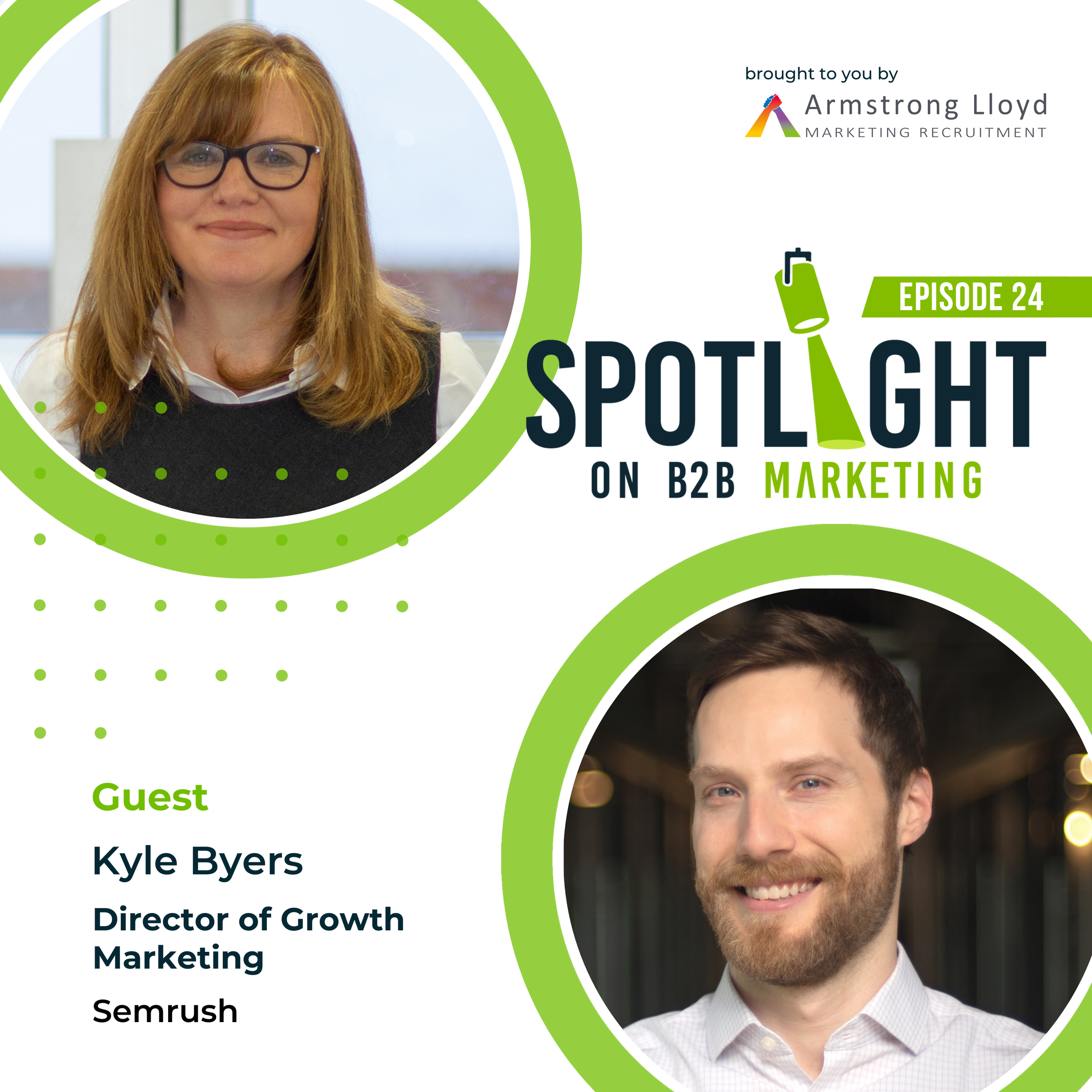
Kyle Byers, who recently appeared on an episode of the Spotlight on B2B Marketing podcast, brings perspective from his role as Director of Growth Marketing at Semrush. His observations about evolving search behaviour reveal why conventional attribution models increasingly fail to capture the true impact of marketing investments.
The Decoupling of Visibility and Traffic
A striking phenomenon has emerged in search marketing: the disconnect between brand visibility and website traffic. Rankings improve, impressions multiply, yet click-through rates steadily decline. This decoupling represents more than a temporary anomaly, it reflects a permanent restructuring of how information flows to potential buyers.
AI-powered search results now dominate traditional organic listings. When prospects type queries into Google, they encounter comprehensive AI overviews that synthesise information from multiple sources without requiring clicks. ChatGPT and similar platforms enable extended research conversations that cover product comparisons, pricing analysis and vendor evaluations entirely within conversational interfaces.
Kyle notes the implications for measurement. Prospects may encounter brand mentions dozens of times across AI responses before ever visiting a website. By the time they do arrive, they've already formed strong opinions and narrowed their considerations, creating what appears in analytics as an exceptionally high converting direct visit with no visible acquisition source.
Karen Lloyd, host of the Spotlight on B2B Marketing podcast, recognises this pattern in her own research behaviour. The shift towards conversational search reflects a broader change in how people approach problem solving and decision-making in professional contexts.
Understanding Conversion Quality from AI Search
Research conducted by Semrush reveals a striking finding about traffic originating from AI search platforms. Visitors arriving from ChatGPT convert at rates substantially higher than traditional organic search traffic, approximately 4.4 times more likely to take desired actions once they reach websites.
This conversion advantage stems from the depth of research prospects complete before clicking through. Traditional search might involve reviewing several articles or product pages. AI search enables comprehensive exploration of use cases, competitive positioning, pricing structures and implementation considerations, all through natural conversation rather than multiple discrete searches.
By the time prospects transition from AI platforms to company websites, they've progressed well beyond awareness stages. These visitors arrive seeking specific validation rather than general information. They're comparing final options rather than building initial shortlists. The funnel stages that previously unfolded on websites now occur elsewhere, invisible to standard analytics.
However, this creates significant attribution challenges. The content that influenced decisions, the blog posts cited in AI responses, the white papers that informed comparisons, the case studies that built credibility may show declining direct traffic whilst driving substantial indirect impact through AI platforms.
From Keywords to Conversational Context
The linguistic shift in how people query information systems carries profound implications for content strategy. Traditional keyword targeting focused on two or three word phrases, specific high volume terms that prospects might type into search boxes. Conversational AI encourages dramatically different query patterns.
Prospects now pose detailed, context rich questions that closely resemble natural speech. Instead of searching for generic terms, they describe specific circumstances, constraints and requirements. These longer prompts incorporate nuances such as company size, industry context, technical environment and strategic objectives.
Moreover, search is no longer a series of isolated queries. Prospects engage in extended dialogues, asking follow up questions, requesting clarifications and exploring tangential concerns. Each exchange builds on previous context, creating highly personalised results that reflect individual circumstances.
Kyle emphasises the implications for optimisation strategy. Businesses can no longer rely on a handful of high value keywords to dominate. The diversity of conversational prompts means organisations must develop comprehensive content that addresses underlying customer needs regardless of specific phrasing.
The Persistent Relevance of Traditional SEO
Despite the AI disruption, traditional search optimisation retains surprising importance. Research conducted through Semrush's Backlinko property revealed that ChatGPT relies partially on Google's indexing to power its retrieval systems. A page blocked from all crawlers except Google subsequently appeared in ChatGPT responses, demonstrating the interconnection between platforms.
This finding suggests that strong traditional SEO performance creates advantages across multiple discovery channels. Content that ranks well in Google often gains visibility in AI search results as well. The two domains remain connected rather than completely separate, at least for the foreseeable future.
However, the nature of optimisation evolves. Winning top rankings for individual high-volume keywords matters less when prospects engage through diverse conversational prompts. Success requires broad topical authority rather than narrow keyword dominance. Content must address customer problems comprehensively rather than optimising for specific search terms.
Qualitative Understanding in a Data-Constrained Environment
The shift towards AI search resurrects a challenge marketers thought they'd permanently solved: limited visibility into customer behaviour. The data-driven marketing era provided unprecedented insight into prospect actions, which keywords triggered discovery, which content engaged attention, which touchpoints preceded conversion. AI search operates largely beyond these measurement systems.
There's currently no reliable data on prompt volumes. Attribution from ChatGPT conversations remains opaque. Results vary by individual user context in ways that defy aggregate analysis. The comprehensive metrics that guided decision-making for the past two decades simply don't exist for conversational search.
This data scarcity demands renewed emphasis on qualitative customer understanding. Rather than following keyword volumes and click patterns, marketers must deeply comprehend the underlying problems customers aim to solve, the criteria informing their decisions and the journey they follow whilst researching solutions.
Kyle describes this as a return to principles from earlier marketing eras, when limited data forced deeper customer empathy. Success now requires extensive customer conversations, collaboration with sales and customer success teams and genuine insight into the jobs customers hire solutions to accomplish.
Strategic Content for AI Discovery
Content strategy must adapt to how AI platforms discover, evaluate and cite information. Several principles emerge for optimising visibility in this new environment.
Proprietary research and unique data prove particularly valuable. Large language models (LLMs) actively seek original information to support responses, making distinctive insights more likely to earn citations. Companies that publish substantive research based on their own data create content that AI platforms cannot find elsewhere.
Clarity and consistency across touchpoints becomes crucial. AI systems synthesise information from multiple sources when formulating responses. Contradictory messaging or unclear positioning creates confusion that may cause platforms to omit or misrepresent brands. Cohesive narratives that reinforce core messages across owned properties and third-party platforms improve citation quality.
Platform diversity matters more than previously recognised. Reddit and Quora rank among the most frequently cited sources in AI search results. LinkedIn, YouTube and other social platforms also feature prominently. Limiting content distribution solely to owned websites restricts discoverability in conversational search environments.
Accessibility for AI crawlers requires attention. Content locked behind registration forms or paywalls remains invisible to most AI retrieval systems. Whilst lead generation goals matter, older content might serve marketing objectives better when made publicly indexable to inform AI responses.
What Can Marketing Leaders Implement for Their Teams?
The transformation of attribution and discovery patterns presents both challenges and opportunities for marketing organisations navigating AI-driven search behaviour. Here are strategic implementations for adapting to this evolved landscape:
Develop multi-layered measurement frameworks that combine quantitative analytics with qualitative customer insights to understand marketing impact beyond traditional attribution models. This requires establishing regular customer interview programmes to hear firsthand how prospects discovered the brand, what information influenced their decisions and which touchpoints proved most valuable. Marketing operations teams should create dashboards that track brand mentions across AI platforms, monitor conversion quality by source and analyse patterns in direct traffic that may actually originate from AI search conversations. Consider bringing in expertise specifically focused on AI search analytics, as this emerging discipline requires different capabilities than traditional digital measurement.
Create comprehensive content strategies that prioritise depth and authority across customer problem areas rather than optimising narrowly for specific keywords or search terms. This involves conducting thorough research into customer jobs to be done, pain points and decision criteria through collaboration with sales, customer success and product teams. Content development should focus on substantive exploration of topics that demonstrate genuine expertise and provide unique perspectives or proprietary data. Marketing teams may need to restructure content workflows to emphasise quality and comprehensiveness over volume, potentially requiring different skill sets or team compositions that prioritise subject matter expertise alongside writing capability.
Build distributed content presence across platforms where AI systems discover information including social media, community forums, video platforms and third-party publications. This requires dedicated resource allocation for active participation in Reddit, Quora and LinkedIn discussions relevant to the business domain, creating valuable contributions that establish credibility rather than promotional messaging. Consider whether current team structures support this distributed approach or if recruiting specialists in community management and social engagement would accelerate progress. The goal extends beyond owned channels to establishing brand presence throughout the broader information ecosystem where prospects conduct research.
Establish cross-functional collaboration mechanisms that break down traditional marketing silos to ensure consistent messaging and comprehensive customer understanding across all touchpoints. This involves creating regular forums where SEO, content, social, brand and paid acquisition teams align on strategic narratives, share customer insights and coordinate on content development. Extend collaboration beyond marketing to include product, sales and customer success perspectives that deepen understanding of customer needs and decision processes. For organisations scaling marketing teams or expanding into new markets, these collaborative structures become especially critical for maintaining message coherence whilst growing headcount and entering unfamiliar customer segments.
The organisations that successfully navigate this attribution breakdown will be those that embrace qualitative customer understanding alongside quantitative measurement, develop content strategies prioritised for AI discovery and build collaborative structures that enable comprehensive visibility across increasingly distributed customer journeys.
Karen Lloyd, February 2026
About Karen Lloyd

As the founder and director behind our recruitment approach, I bring almost 30 years of unique expertise spanning both recruitment and marketing. Having placed my first candidate in 1996, I've since built 5 start-ups, served as a Board Director for 25 years and developed recruitment strategies that work in competitive talent markets.
I'm also the host of "Spotlight on B2B Marketing", where I explore B2B marketing trends with industry leaders. My passion lies in helping global businesses grow their revenue-generating teams through strategic hiring and fractional CMO services.
About Armstrong Lloyd
Armstrong Lloyd goes above and beyond being a pure search firm - we partner with your business because we have all stood in your shoes as experienced hiring managers, marketing and operational business leaders. We have a hidden network that goes beyond LinkedIn searches, adverts, or referrals from ex-colleagues to ensure you're getting the top 1% of talent.
Whether you need interim leadership, marketing team building, or executive search across the UK and beyond, the team at Armstrong Lloyd are here to ensure you reach your commercial business goals by building the best marketing team and strategy to give you a competitive advantage.
Ready to transform your marketing team? Let's talk about how we can help you hire the right talent at the right time.
MORE B2B MARKETING RECRUITMENT INSIGHTS