Beyond the Linear Funnel: Why B2B Buying Groups Matter More Than MQLs
In modern B2B marketing the traditional funnel built around MQLs no longer reflects how decisions are made. Buying groups with multiple stakeholders follow non linear journeys shaped by shifting priorities and repeated objections. This blog explains why account level engagement flexible content experiences and authentic human connection are now essential for campaign success.
The Fundamental Shift in B2B Marketing Measurement

The traditional marketing qualified lead has dominated B2B measurement frameworks for years, yet a quiet revolution is reshaping how forward-thinking organisations approach campaign strategy. Rather than celebrating individual form fills, leading marketing teams are recognising that complex B2B purchases involve multiple stakeholders researching simultaneously, each with distinct concerns and operating at different stages of evaluation.
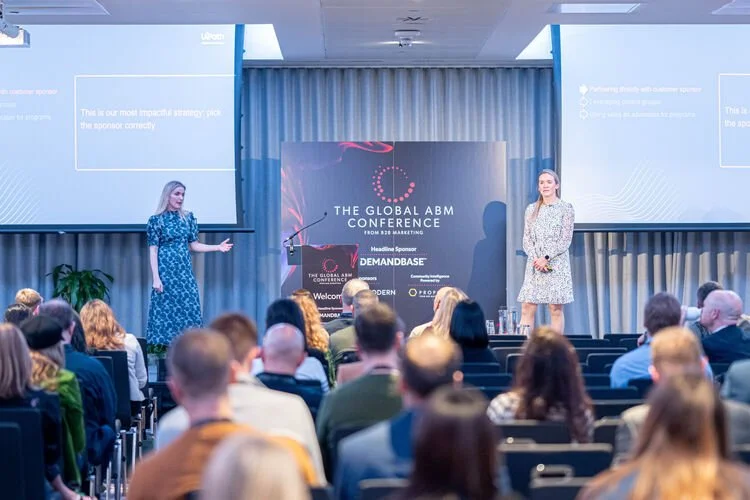
Shana Brewer, who recently appeared on an episode of the Spotlight on B2B Marketing podcast, brings invaluable perspective from nearly a decade at Veeam Software. As Director of Global Campaigns, Shana has witnessed firsthand how scaling from startup to established enterprise demands fundamental rethinking of campaign approaches, particularly around how buying decisions actually unfold versus how marketers traditionally model them.
Challenging the Linear Progression Assumption
The awareness-consideration-decision framework has long provided marketing teams with a tidy progression to map content and measure advancement. However, this neat linear path rarely reflects reality in B2B technology purchases, where complexity and committee dynamics create far messier journeys.
According to Shana, the data reveals something quite different from textbook funnels. Prospects frequently move backwards rather than steadily forward, requiring additional education or encountering timing constraints that pause their progress. This creates a dynamic pattern where buyers might advance to late-stage consideration, then return to fundamental research when new objections surface internally.
Karen Lloyd, host of the Spotlight on B2B Marketing podcast, reinforces this complexity through her own observations of buying behaviour. The traditional staged approach fails to account for the reality that internal champions must repeatedly overcome objections, each time requiring fresh evidence and different content angles to address concerns from various stakeholders.
The Buying Group Reality in Technology Purchases
Research from Forrester suggests that technology buying committees typically include between ten and twenty individuals, fundamentally changing what should constitute a meaningful signal of purchase intent. When marketing measures success by individual lead scoring, it misses the broader picture of account-level engagement that better predicts actual revenue opportunity.
Shana explains the significance of multiple touchpoints from a single organisation. When three different people from the same account engage with your content independently, that represents substantially higher intent than any individual download or form completion. These patterns indicate genuine buying momentum, with multiple stakeholders actively researching rather than casual browsing from a single interested party.
The practical challenge becomes identifying these various personas and understanding their distinct priorities. Financial decision-makers require clear return on investment justification. Technical evaluators need detailed implementation specifications. Executive sponsors seek strategic positioning that aligns with broader business objectives. Each role demands tailored content addressing their specific concerns and decision criteria.
Creating Non-Linear Content Experiences
Traditional campaign design often creates what Shana describes as orphan landing pages, where paid advertising drives prospects to isolated destinations with limited onward journeys. This approach worked adequately when assuming linear progression, but fails spectacularly when buyers need flexibility to explore based on their current concerns rather than prescribed sequences.
The concept Shana refers to as planting Easter eggs involves embedding multiple content pathways throughout buyer experiences, enabling self-directed exploration similar to streaming services that encourage continued engagement. Rather than dictating the next step, marketers provide various relevant options allowing buyers to choose paths matching their immediate priorities.
This might mean an e-book includes suggestions for related technical documentation, product demonstrations, or industry-specific case studies. Product pages incorporate chat experiences offering targeted assistance based on observed behaviour. The fundamental principle involves creating opportunities for buyers to select their own adventures rather than forcing predetermined progressions that may not address their current questions or objections.
Responding When High-Intent Accounts Stall
Even with sophisticated buying group tracking and flexible content journeys, promising accounts sometimes lose momentum despite showing multiple engagement signals. These situations demand different approaches than standard nurture sequences, recognising that stalled opportunities often indicate missing information rather than lost interest.
Shana recommends highly personalised interventions for accounts demonstrating significant buying signals across multiple stakeholders. Custom workshops or tailored assessments addressing specific challenges can overcome objections by providing bespoke guidance rather than generic materials. This white-glove treatment makes accounts feel valued whilst simultaneously surfacing the precise concerns preventing forward movement.
The strategic question becomes who owns these interventions. At global campaign leadership level, Shana operates at ten-thousand-foot perspective, providing strategy and content frameworks. Regional and field teams carry responsibility for deep account understanding and customised engagement, leveraging local relationships and market knowledge to tailor approaches for specific high-value opportunities in their territories.
Evolving Messaging When Products Transform
Perhaps no challenge tests marketing adaptability more severely than fundamental product shifts requiring completely reimagined messaging. When Veeam expanded from primarily on-premise solutions toward cloud and software-as-a-service offerings, historical messaging frameworks actively hindered rather than supported the transition, creating urgent need for comprehensive reinvention rather than incremental adjustment.
The distinction matters because on-premise buyers traditionally valued control and customisation within their own infrastructure. Cloud and software-as-a-service audiences prioritise scalability and availability, accepting reduced customisation in exchange for simplified management as roles grow more complex and infrastructures become increasingly distributed.
Shana emphasises what she calls the rule of seven, noting that both internal teams and external audiences require multiple exposures before truly internalising new positioning. This reality demands substantial investment in training and consistent repetition across all channels. Attempting to recycle old messaging with minor modifications inevitably fails because the fundamental value propositions have shifted too dramatically for superficial adjustments.
Maintaining Human Connection Amidst Automation
Advanced marketing technologies enable unprecedented sophistication in targeting, measurement and personalisation. Yet Shana cautions against losing sight of marketing fundamentals centred on human psychology and emotional connection, regardless of how powerful analytical tools become.
The core of marketing remains understanding human behaviour and creating authentic engagement. Whilst artificial intelligence and automation provide valuable efficiency, they cannot replace the essential work of truly understanding ideal customer profiles, identifying what genuinely motivates them and crafting experiences that resonate emotionally rather than merely checking tactical boxes.
This principle applies equally whether reaching individual prospects or coordinating complex buying group engagement. Behind every click and conversion sits a real person with concerns, pressures and aspirations. Maintaining awareness of this human dimension ensures that sophisticated campaign mechanics serve genuine connection rather than becoming ends in themselves, preserving authenticity even as scale increases.
What Can Marketing and Business Leaders Implement for Their Teams?
The shift toward buying group marketing and non-linear journey design presents significant opportunities for teams seeking improved performance and efficiency in increasingly competitive markets. Consider these strategic implementations:
Restructure measurement frameworks from individual lead scoring to account-based engagement tracking that recognises buying committees typically include ten to twenty stakeholders with varying concerns and decision criteria. This requires updating marketing automation platforms, retraining operations teams on new definitions of qualified opportunities and establishing reporting that highlights account-level patterns rather than individual actions. Consider recruiting specialists experienced in account based approaches or investing in comprehensive upskilling for existing team members who understand your business context.
Design flexible content experiences with multiple embedded pathways enabling self-directed exploration rather than forced linear progressions. This involves creating content organised by buying stage and pain point, ensuring every significant asset provides logical next steps addressing different scenarios prospects might face. Train marketing teams to think beyond individual campaign elements toward interconnected experiences and collaborate with sales to identify common objection patterns requiring readily accessible supporting materials.
Develop intervention protocols for high-intent accounts showing engagement across multiple stakeholders but experiencing stalled momentum. Establish clear criteria defining when accounts warrant white-glove treatment including custom workshops or tailored assessments and clarify ownership between global campaign teams providing strategy and regional teams executing personalised outreach. This ensures promising opportunities receive appropriate attention rather than falling into generic nurture sequences ill suited to their level of engagement.
When undertaking significant product or positioning shifts, completely overhaul messaging frameworks rather than attempting incremental modifications of historical approaches. Recognise that audiences attracted to fundamentally different value propositions require fresh positioning from the ground up. Invest adequately in both internal training using the rule of seven to ensure consistent adoption and external communications maintaining repetition across channels until new positioning achieves genuine market awareness. Consider whether your current team possesses the necessary skills for this transformation, or if bringing in specialists with experience in similar transitions would accelerate successful repositioning whilst developing internal capabilities.
Organisations mastering buying group identification, non-linear journey design and authentic human connection will gain substantial competitive advantages as B2B purchasing grows increasingly complex. These capabilities become particularly valuable when scaling teams, entering new markets, or recruiting leadership roles where sophisticated campaign understanding directly impacts revenue growth and market position.
Karen Lloyd, February 2026
About Karen Lloyd

As the founder and director behind our recruitment approach, I bring almost 30 years of unique expertise spanning both recruitment and marketing. Having placed my first candidate in 1996, I've since built 5 start-ups, served as a Board Director for 25 years and developed recruitment strategies that work in competitive talent markets.
I'm also the host of "Spotlight on B2B Marketing", where I explore B2B marketing trends with industry leaders. My passion lies in helping global businesses grow their revenue-generating teams through strategic hiring and fractional CMO services.
About Armstrong Lloyd
Armstrong Lloyd goes above and beyond being a pure search firm - we partner with your business because we have all stood in your shoes as experienced hiring managers, marketing and operational business leaders. We have a hidden network that goes beyond LinkedIn searches, adverts, or referrals from ex-colleagues to ensure you're getting the top 1% of talent.
Whether you need interim leadership, marketing team building, or executive search across the UK and beyond, the team at Armstrong Lloyd are here to ensure you reach your commercial business goals by building the best marketing team and strategy to give you a competitive advantage.
Ready to transform your marketing team? Let's talk about how we can help you hire the right talent at the right time.
MORE B2B MARKETING RECRUITMENT INSIGHTS